CryoLab is a research laboratory specialized in the cryopreservation of marine organisms and in the design of protocols adapted to each cell type and species. Its goal is to understand the biological processes that influence cold tolerance and to optimize freezing conditions to ensure the viability of biological material after thawing. The team works with different groups —from microalgae and bivalves to polychaetes and fish— representing various levels of cellular and structural complexity, which allows progress in both basic research and practical applications of cryobiology.
CryoLab’s approach combines fundamental science with technological transfer, ensuring that the knowledge generated in the laboratory can be applied in real-world contexts. The developed protocols have direct applications in microalgae collections, small-scale hatcheries, and marine research centers, contributing to biodiversity conservation and strengthening the aquaculture sector.
The laboratory’s philosophy is based on collaboration with other institutions, such as CIMA, the University of Vigo, and international partners, creating a network that promotes sustainable development and the preservation of marine life through cryobiology.
CryoLab was founded from the scientific career of Estefanía Paredes, a researcher specialized in marine cryobiology. The project is the result of a career dedicated to studying and developing cryopreservation protocols for marine organisms, which began with her doctoral thesis on marine invertebrates and continued with a postdoctoral stage in a leading international laboratory. That experience established a strong foundation of knowledge which, upon her return to Galicia through an H2020 European project, a reintegration contract, and a talent retention program, led to the creation of CryoLab. Today, the laboratory is part of the University of Vigo and works to transform basic research into real-world applications, combining science, innovation, and international collaboration to advance the conservation of marine biodiversity.
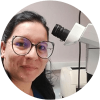
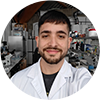
In addition to the research and technical staff that form the core of CryoLab, the project has a constantly growing team. Alongside the six members of the main group, master’s and undergraduate students actively collaborate in the laboratory’s research lines. These students contribute to the development of new protocols, experimentation, and knowledge transfer, strengthening CryoLab’s role as a training space and as a driving force for the new generation of specialists in marine cryobiology.
We work at different biological levels to understand how marine organisms respond to the freezing process and to design protocols suited to each case.
Collaboration is one of the fundamental pillars of CryoLab. The laboratory works in a network with institutions, biological collections, and research centers that share the common goal of advancing marine cryobiology and applying its results to conservation and aquaculture. These synergies make it possible to transfer protocols, validate methods, and expand knowledge about different groups of marine organisms.
Collaboration in technology transfer and protocol scaling projects, particularly in small-scale hatcheries for mussels and clams.